


A little bit about me
I was surrendered by my owner as they could no longer look after me, now with a bit of love and TLC from the SPCA team, I am ready to find my forever home!
What's special about me
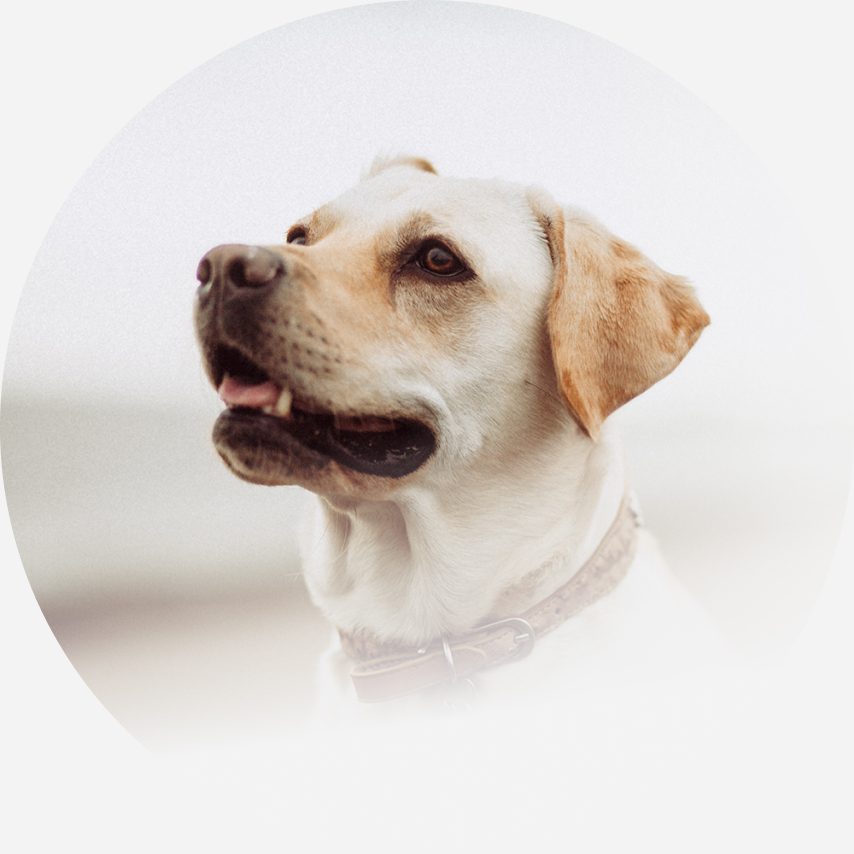
Meet Pablo 🐾
Pablo is a gentle, thoughtful boy with a sensitive heart and a quiet way of taking in the world around him. He's the kind of dog who doesn't rush into things-instead, he prefers to sit back, observe, and figure things out in his own time. And while that may mean he's not the first to run up for pats, it also means that every bit of trust he gives is truly meaningful.
Pablo has already come such a long way. When he first meets new people, he can be cautious and a little flinchy with sudden movements, especially in unfamiliar or enclosed spaces. Because of this, he does best when interactions are calm, gentle, and most importantly, on his terms. Giving Pablo space and allowing him to approach when he feels ready makes all the difference. When this happens, his curiosity starts to shine through, and you'll see glimpses of the brave, affectionate dog he is becoming.
Despite his worries, Pablo has shown incredible resilience and quiet bravery. He has been out on group walks with staff and other dogs, exploring new environments and meeting new people along the way. On these outings, he has shown just how capable he is, walking calmly, socialising appropriately, and even accepting gentle pats from new faces when approached in a respectful, non-threatening way. Considering how overwhelming these situations could be, Pablo has handled them with growing confidence, and it's been wonderful to watch him progress day by day.
One of Pablo's greatest strengths is his love of other dogs. He is social, playful, and reads other dogs beautifully. Whether it's a fence-line introduction or off-lead playtime, Pablo shows soft, friendly body language and a genuine interest in making friends. He enjoys sniffing, exploring, and will happily engage in play once he feels comfortable. He's also great at disengaging and taking breaks, showing a lovely balance in his interactions.
With people he knows and trusts, Pablo forms strong attachments. He has already built close bonds with certain staff members, showing a more relaxed and comfortable side of himself. These connections are a reminder that underneath his cautious exterior is a dog who truly wants to connect, he just needs time, patience, and understanding to get there.
Pablo is also quite an independent thinker. He often prefers to watch the world go by rather than be the centre of attention, and he's perfectly content taking things in at his own pace. This makes him well-suited to a quieter home where he won't feel overwhelmed by too much activity or pressure to interact before he's ready.
His ideal home would be one that understands that building trust with Pablo is a journey, not a race. He will need adopters who are patient, gentle, and willing to celebrate the small wins because with Pablo, those small wins turn into big milestones. Over time, with consistent positive experiences, his confidence will continue to grow, and the bond you build with him will be incredibly special.
Pablo would thrive in a home that offers:
🏡 A calm, predictable environment with minimal chaos
🧡 Patient adopters who will allow him to come out of his shell at his own pace
🤲 Gentle handling and respect for his boundaries, especially around new people
🌱 Continued positive exposure to the world to build his confidence
Pablo has had a challenging start, but he hasn't let that define him. Every day, he shows us a little more bravery, a little more curiosity, and a little more of the wonderful dog he is meant to be. He may not be the boldest or the most outgoing dog at first but for the right person, he will be one of the most rewarding.
If you're someone who understands that trust takes time, and you're willing to let Pablo set the pace, you'll be giving him the chance he truly deserves and in return, you'll gain a loyal, deeply devoted companion.
-
1. Can you care for a companion animal for their whole life?
-
- The average lifespan of dogs and cats is around 12 years but some dogs and cats can live 20 years or more!
- If you want to adopt a pet for your children, consider that children can tire quickly of the routine of caring for the animal. Parents often quickly become the animal’s primary caregiver and need to be OK with that. Therefore, adding a new animal to your family must be a family decision and a family-wide responsibility.
- If you are planning to move to another country or travel in the future, it might not be the right time to adopt an animal. However, it is possible to move country with your animal, and also to manage travel so that your animal is well cared for when you are away. Moving country and travel are situations that can be managed, but this can be expensive and needs careful consideration and planning.
-
2. Can you afford to care for the pet you are considering adopting?
-
All animals available for adoption from SPCA have been health checked, and most are desexed, vaccinated and microchipped (for details see each adoption listing, as the exact details can vary by species); all of these are included in the adoption fee. However, there are also ongoing costs associated with having a companion animal that you need to consider.
These may include the following:
- Quality food and treats
- Worm and flea treatments
- Items such as leashes, toys, collars, housing, bedding, kennel, crates, enclosures
- Annual health check and vaccinations
- Veterinary visits and treatments due to illness or accidents, and preventative care
- Fees for boarding or home care for your animal if you need to go away
- Doggy Day care fees if you have to be away from your dog for long periods
- Training classes for puppies and dogs
- Annual registration fees for dogs (this is a legal requirement)
- Grooming expenses
- The cost of things that your animal might damage or that might suffer wear and tear, such as shoes, TV remote controls, books, couches, carpets, etc.
To help you get an idea of the cost of keeping a companion animal, Companion Animals NZ has published data showing that companion animal owners spend on average the following amounts per year:
- $670 on their cat
- $1200 on their dog (larger dogs can be more expensive)
- $785 on their horse
- $310 on their rabbit
However, depending on an animal’s individual needs these costs could be significantly higher.
-
3. Are you able to care for the pet you are considering adopting?
-
- It is your responsibility to know how to properly care for your animals; the Animal Welfare Act 1999 states that “the owner of an animal, and every person in charge of an animal, must ensure that the physical, health, and behavioural needs of the animal are met in a manner that is in accordance with both good practice and scientific knowledge.”
- We can give advice on how to care for companion animals and help with any questions you might have. Your veterinarian is another source of credible and helpful information about caring for animals.
- Doing your research before you decide to adopt an animal will help you to make a good and informed choice about whether you can care for an animal and what animal would be most suitable for your situation.
- It is important that you are able to set aside adequate time to feed, exercise, groom, and interact with/play with your companion animal for their entire lifetime.
-
4. Is your home suitable for the animal you are considering adopting?
-
- The size of your home and garden and the location of your home are significant factors that determine how suitable your home is for a particular animal. For example, dogs need a safe, fenced section, shelter, shade and enough space outside in which to exercise, explore and play. If you are thinking of adopting a cat and letting the cat outside, then you need to consider that cats can get injured on roads or affect local wildlife. Rabbits and guinea pigs need space inside, or a fenced area outside, in which to exercise, explore, and play.
- Some landlords do not allow their tenants to have animals. This means that having a companion animal can affect how easy it is to find a rental property and is something that you should consider if you are renting.
- If you already have companion animals, it is very important that you consider them, and how they will adapt to a new arrival, when thinking of adding another animal to your family.
-
5. Will a pet fit into your lifestyle?
-
- Long working hours, a busy social life and regular trips away are all factors that will influence whether your lifestyle is suitable to share with a companion animal, and also what kind of animal might be best suited to you. It is important to consider these factors before deciding to adopt.
- All companion animals need human company and if you don’t spend enough time with them this can make them unhappy and seriously affect their quality of life.
- You should not adopt a companion animal unless you are:
- home often enough to keep your animal company (or have someone else at home to keep the animal company)
- prepared to walk your dog every day (if you are thinking of adopting a dog)
- able to give your animal the basic training they need
- able to arrange suitable care for your animal when you are away
If you have carefully thought through all of the questions above and your answer to all of the questions is ‘YES’, then you are ready to adopt!
If you said ‘no’ to any of the questions above or are unsure, please consider what you would need to do to ensure you are well prepared to become a responsible companion animal owner.
Visit our Advice and Welfare section for more detailed information about caring for specific animals .
Contact your local SPCA centre if you have any queries regarding animal ownership.
Get SPCA updates
Sign me up for emails and text messages about how SPCA is helping animals in need

We're so happy you've joined us!
We‘re excited to start sharing our inspirational stories with you, keep you up to date with how we’re helping New Zealand's animals, and let you know when there are opportunities to give your support.
But you don't have to wait for our next email. Here are a few ways to get involved right now.


Watch this space for your next update! And thanks again for your support, it’s what keeps us going.
Ngā mihi nui
The SPCA New Zealand Team

How to adopt Pablo
1. Enquire about me
To enquire about an animal, click the ‘Enquire about me’ button on their profile and fill in the form with as much detail about your family as you can. If you need help with your online enquiry form, please don’t hesitate to phone the centre for help.
Most of our animals available for adoption are currently in foster homes in the community and not at the centre, as this is less stressful for them.
2. Talk to our SPCA animal experts
Our friendly animal team will be in touch to help you choose the pet that’s right for your family – it might not be me after all. They will discuss your lifestyle, experience level and what you’re looking for.
They’ll check you tick all the boxes for adoption and talk to you about some of the animals that are right for you and your lifestyle. They might also request some photos and other documentation to see where the animal will live.
3. Come and meet me
If you like, we can arrange for a meet and greet of the animal you have applied for prior to taking it home, to ensure it is a good fit. Bring everyone who lives in the house (especially any children) to come and meet the animals to ensure the best match for your family.
4. Fill in the paperwork and pay the adoption fee
Once you’ve found the animal for you, you’ll need to complete an application form and get one of the team to review and approve the adoption. You then pay the adoption fee and get ready to bring your new family member home.
5. Register
Some of our centres include registration with the local council in their fees, but others don’t so you will need to register your new dog with the council before you can take them home.